
Introduction
Liquid coolers are indispensable for many PC enthusiasts, offering efficient cooling solutions for overclocked and high-performance systems. However, understanding the lifespan of these coolers is crucial for maintaining optimum performance and avoiding potential issues. This guide explores how long liquid coolers typically last, the factors affecting their longevity, and practical tips for extending their usefulness.
Understanding Liquid Cooling Systems
To appreciate the longevity of liquid coolers, it’s essential to understand the mechanics behind them. Unlike air coolers, liquid systems efficiently transfer heat away from critical components such as the CPU and GPU, ensuring stable and quiet operation.
What is a Liquid Cooler?
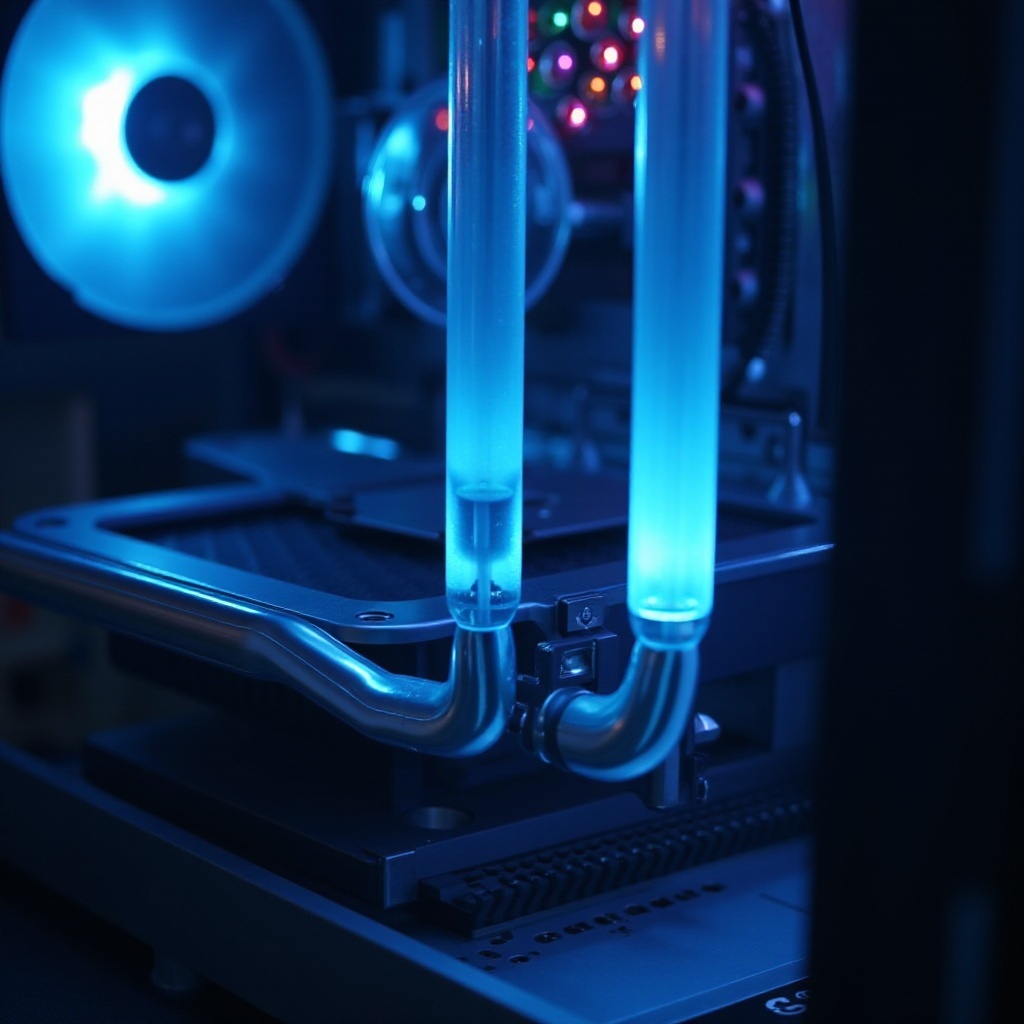
A liquid cooler circulates coolant through a system of tubes that pass over a metal plate attached to your CPU or GPU. The liquid absorbs heat and carries it away to a radiator, where fans dissipate it into the air. This method keeps key components at a stable temperature, even under heavy workload conditions.
Advantages Over Air Cooling
Compared to traditional air coolers, liquid cooling systems offer several advantages. They tend to handle higher thermal loads better and operate more quietly, making them ideal for PCs used in gaming, video editing, and other demanding tasks.
Factors Influencing the Lifespan of Liquid Coolers
Understanding what affects a liquid cooler’s lifespan helps you make informed decisions about buying, using, and maintaining your cooling system.
Quality of Components
The materials used to make a liquid cooler play a significant role in its durability. High-quality parts including robust pumps, resilient hoses, and efficient radiators can extend a cooler’s lifespan by resisting wear and tear. Opting for a reputable brand can often mean better quality and longer life expectancy for your cooler.
Usage and Operating Conditions
How you use your PC impacts the lifespan of your liquid cooler. Intense usage, such as gaming or video editing, generates more heat, stressing the cooler and potentially reducing its operational life. Keeping your PC in a well-ventilated environment can help manage these thermals more effectively.
Maintenance Practices
Regular maintenance is vital for the longevity of a liquid cooler. This includes making sure components are free of dust, along with routine checks for leaks and system integrity. Proper maintenance will help you catch potential problems early, ensuring the cooler operates efficiently over time.
Average Lifespan of Liquid Coolers
Knowing what to expect in terms of lifespan helps with planning replacements before failures occur, avoiding disruption to your workflow.
General Expectations
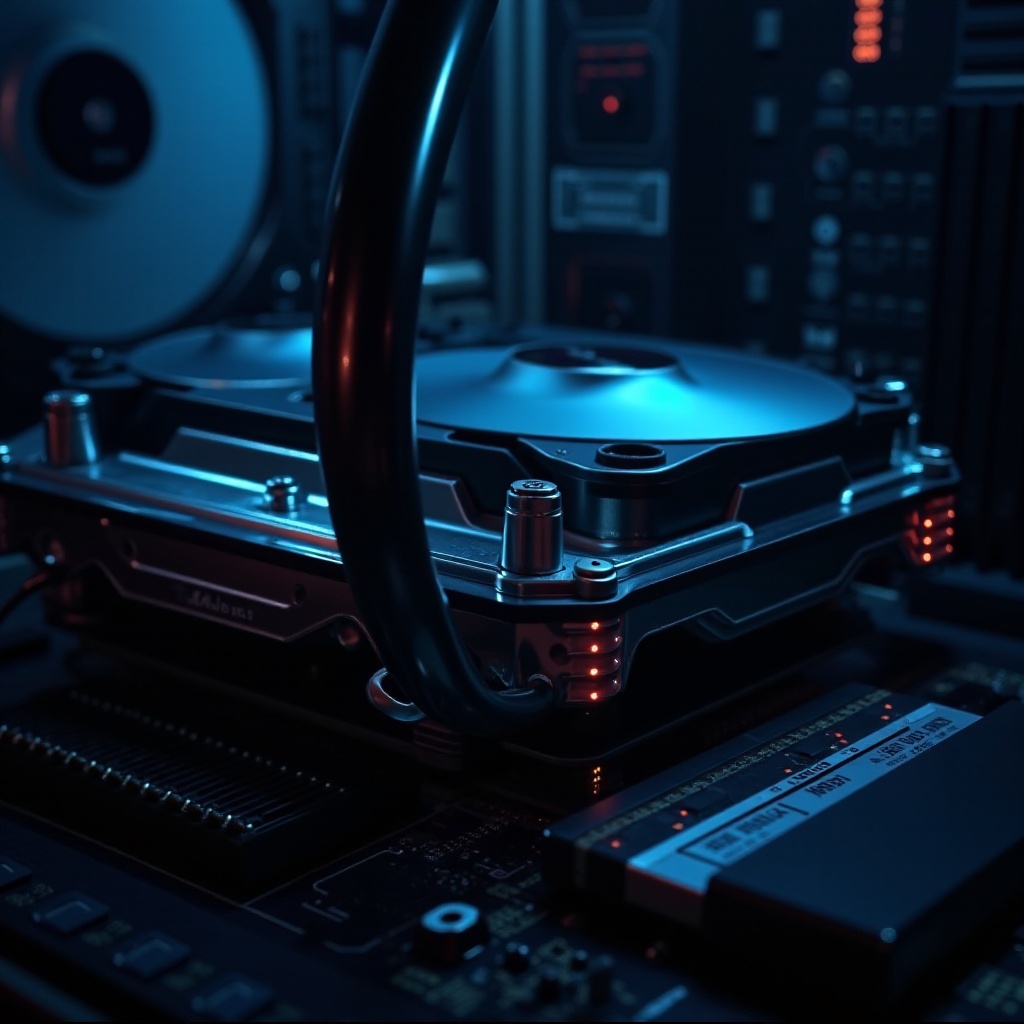
A well-maintained liquid cooler typically lasts between 3 and 6 years. Variations in this range depend on factors like use conditions and maintenance routines. Vigilant upkeep often results in a longer, more effective lifespan.
Brand-Specific Longevity
Brand reputation can be an indicator of how long a liquid cooler may last. Companies with strong reviews and excellent warranties generally provide products that meet expectations in terms of durability and performance. Researching different brands can lend insight into which cooler is best for your needs.
Signs Your Liquid Cooler Needs Attention
Identifying issues early can prevent complete system failures, thereby safeguarding your hardware investments.
Performance Decline Indicators
If you notice rising temperatures or increased noise from your cooler fan, it’s a sign that the cooler may be underperforming. Addressing such issues promptly by troubleshooting or seeking replacements can prevent damage to your PC components.
Detecting Leaks and Malfunctions
Leaks pose a serious risk by potentially damaging internal components of your PC. Regular inspections for moisture around hoses and radiators will help detect and remedy leaks before they cause severe problems. A malfunctioning pump can also lead to system overheating, necessitating immediate action.
Best Practices for Extending Liquid Cooler Lifespan
With the right approach, you can prolong the useful life of your cooling system, ensuring your PC stays in top condition.
Regular Inspection and Cleaning
- Dust build-up can restrict airflow and hinder cooling performance. Clean radiators and fans regularly to ensure efficient heat dissipation.
- Check all hoses and fittings periodically for signs of wear or leakage. Early detection and repair prevent major issues.
- Monitor and maintain coolant levels, replenishing as required to support optimal cooling.
Using the Right Coolant
- Stick to manufacturer-recommended coolants, as they are formulated to work best with the cooler’s materials and design.
- Avoid mixing different types of coolants, which could lead to chemical reactions and blockages.
- Change coolant yearly to maintain its effectiveness and prevent accumulation of harmful deposits.
Proper Installation and Setup
- Ensure all components are correctly installed with no pinches or kinks in the hoses, as these can restrict liquid flow.
- Follow the manufacturer’s setup instructions precisely for optimal system performance.
- Monitor the system after installation to confirm all parts are functioning properly and adjusting as necessary.
When to Replace or Upgrade Your Liquid Cooler
No cooler lasts forever, and recognizing when it’s time for a change ensures continued performance without unexpected breakdowns.
Assessing Repair vs. Replacement
Frequent repairs can add up, making replacement a more cost-effective option in the long run. If performance issues recur, consider upgrading to a newer model which promises better efficiency and reliability.
Benefits of Newer Technology
Newer models incorporate advanced designs for improved cooling efficiency and quieter operation. Additionally, they often come with comprehensive warranties, adding an extra layer of security for your investment.
Conclusion
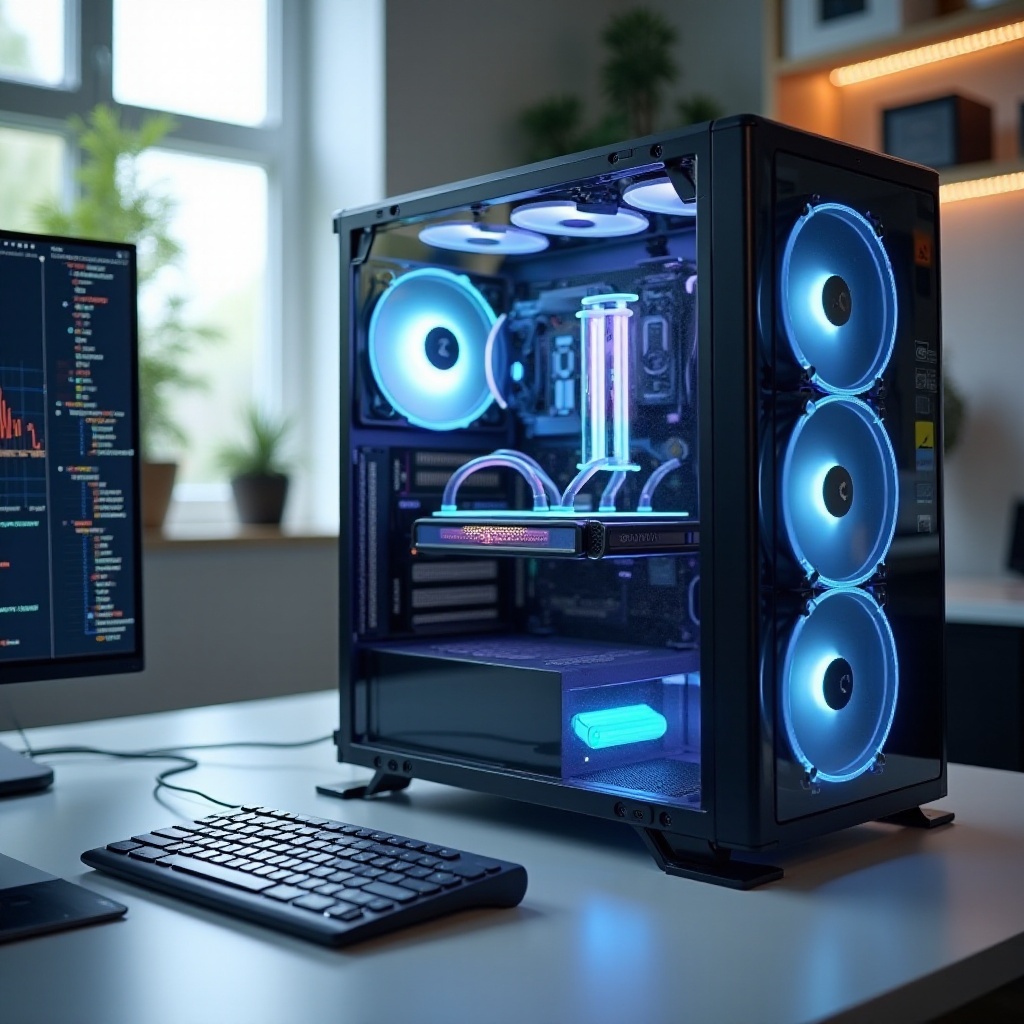
Understanding the lifespan and maintenance of liquid coolers allows you to maximize your system’s performance while protecting expensive PC components. With proper care, your cooler can effectively serve your gaming, creative, or professional needs for many years, ensuring a stable and reliable computing environment.
Frequently Asked Questions
How often should I replace the coolant in my liquid cooler?
It’s recommended to replace the coolant annually to maintain efficiency and prevent build-up of contaminants.
Can a liquid cooler outlast my computer’s lifespan?
Yes, with proper maintenance, a high-quality liquid cooler can potentially outlast other computer components.
Are all liquid coolers compatible with every PC setup?
Not all coolers fit all systems. Compatibility depends on your PC case size and the specific CPU and GPU mounting requirements. Always check specifications before purchasing.