
Introduction
Selecting the ideal room microphone can significantly enhance your audio quality, whether you’re recording podcasts, attending virtual meetings, or setting up a home studio. With technological advancements, microphones are now more adaptable and cost-effective. This comprehensive guide helps you understand key features and examine top picks for 2024, ensuring your recordings are crisp and professional.
Understanding Room Acoustics
The effectiveness of your microphone largely depends on room acoustics. The materials and layout of your space influence sound quality. While hard surfaces can lead to echoes, soft furnishings help absorb sound. Though a good microphone can manage these variables, enhancing room acoustics with items like rugs and acoustic panels is beneficial.
Being aware of how a microphone interacts with room acoustics is pivotal. This foundational understanding assists in pinpointing essential features as you select your device.
Key Features to Consider for Room Microphones
Several core features determine a microphone’s performance:
- Polar Pattern: Opt for cardioid to focus on a specific sound source, or omnidirectional to pick up ambient noise.
- Frequency Response: Seek a balanced response suitable for your recording type.
- Sensitivity and SPL (Sound Pressure Level): Ideal sensitivity and SPL ensure clarity without distortion across varied sound levels.
- Connectivity: Decide between USB and XLR connections based on your equipment setup.
These features build the foundation for recognizing the best microphones currently available.
Top Room Microphones for 2024
With essential features in mind, let’s delve into some standout microphones in 2024.
-
Microphone 1: Shure MV7 – Features: Includes USB/XLR outputs, intuitive touch controls. – Pros: Versatile use and excellent build quality. – Cons: Higher price range.
-
Microphone 2: Audio-Technica AT2020 – Features: Offers a cardioid polar pattern at an affordable price. – Pros: Clear audio, perfect for beginners. – Cons: Lacks USB option.
-
Microphone 3: Blue Yeti X – Features: Equipped with four polar patterns and built-in LED metering. – Pros: Highly versatile and user-friendly. – Cons: Bulky design.
-
Microphone 4: Rode NT1-A – Features: Features a cardioid pattern with extremely low self-noise. – Pros: Delivers exceptional performance and value. – Cons: Needs an audio interface.
-
Microphone 5: AKG C214 – Features: Comes with an integrated suspension and cardioid pattern. – Pros: Robust build and excellent midrange response. – Cons: Pricey for some budgets.
These options cater to diverse needs and budgets, helping you identify the ideal choice for your specific requirements.
Setting Up Your Room Microphone for Optimal Performance
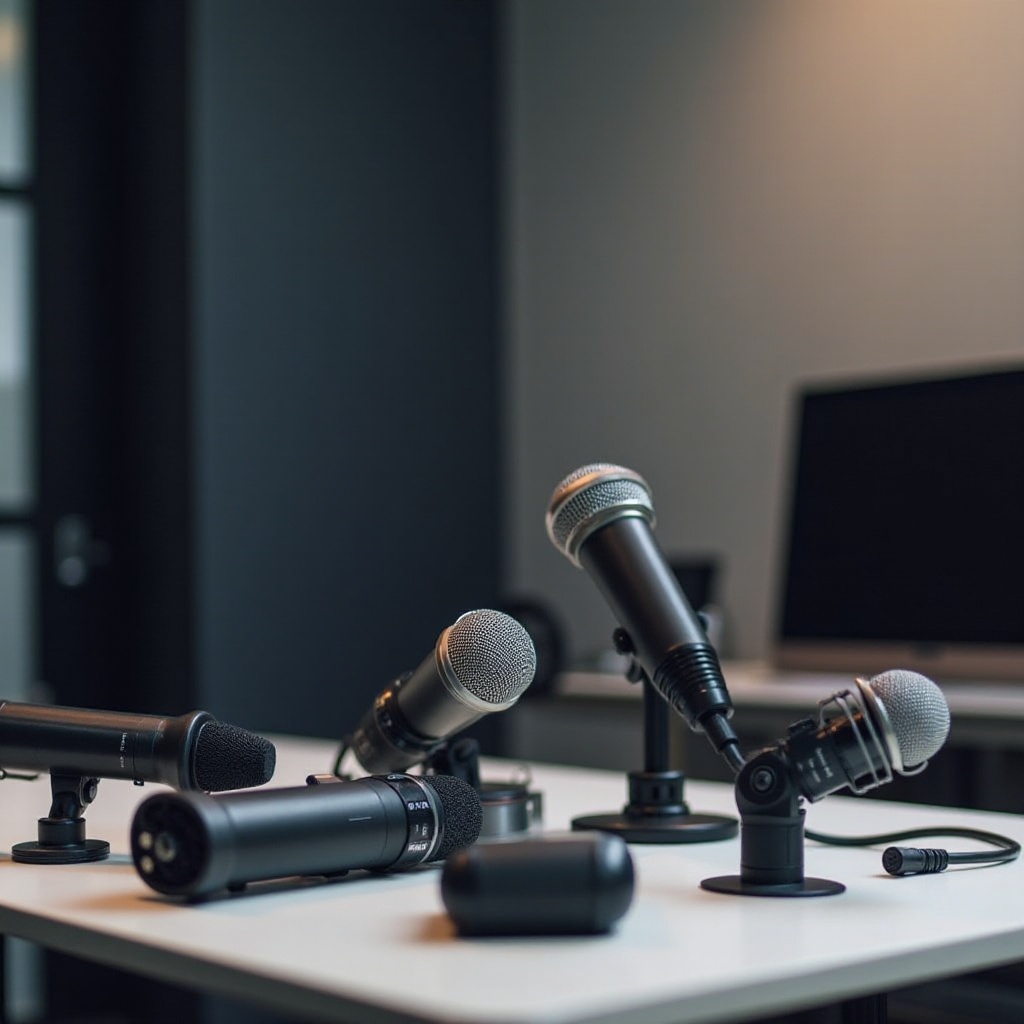
Proper setup is crucial for extracting the full potential of your microphone. Follow these steps for optimal performance:
- Positioning: Place the microphone centrally in the room, away from reflective surfaces.
- Adjusting Settings: Fine-tune gain controls to minimize background noise while ensuring clear voice capture.
- Testing Levels: Perform test recordings to determine the best settings for your environment.
Effective setup significantly complements the features discussed earlier.
Tips for Maintaining Your Microphone
Ensuring proper maintenance profoundly extends your microphone’s lifespan:
- Regularly dust using a soft, dry cloth.
- Store in a cool, dry location when not in use.
- Utilize a pop filter to protect against moisture and saliva effects.
Consistent care preserves high audio quality, ensuring your microphone remains reliable for years.
Conclusion
Choosing the best room microphone involves understanding acoustics, evaluating features, and assessing personal needs. By exploring top recommendations, you set up strategies and maintain practices to achieve superior audio excellence. Make an informed decision to transform your audio experience today.
Frequently Asked Questions
What makes a room microphone different from other types?
Room microphones are designed to capture sound in a specific environment, with features to manage ambient noise and varying acoustics.
How can I reduce echo in my room recordings?
To reduce echo, integrate soft furnishings like rugs and curtains and position the microphone away from reflective surfaces.
Are more expensive microphones always better for room recording?
Expensive microphones aren’t always better. While premium models offer advanced features, many affordable options deliver excellent performance for specific needs.