
Introduction
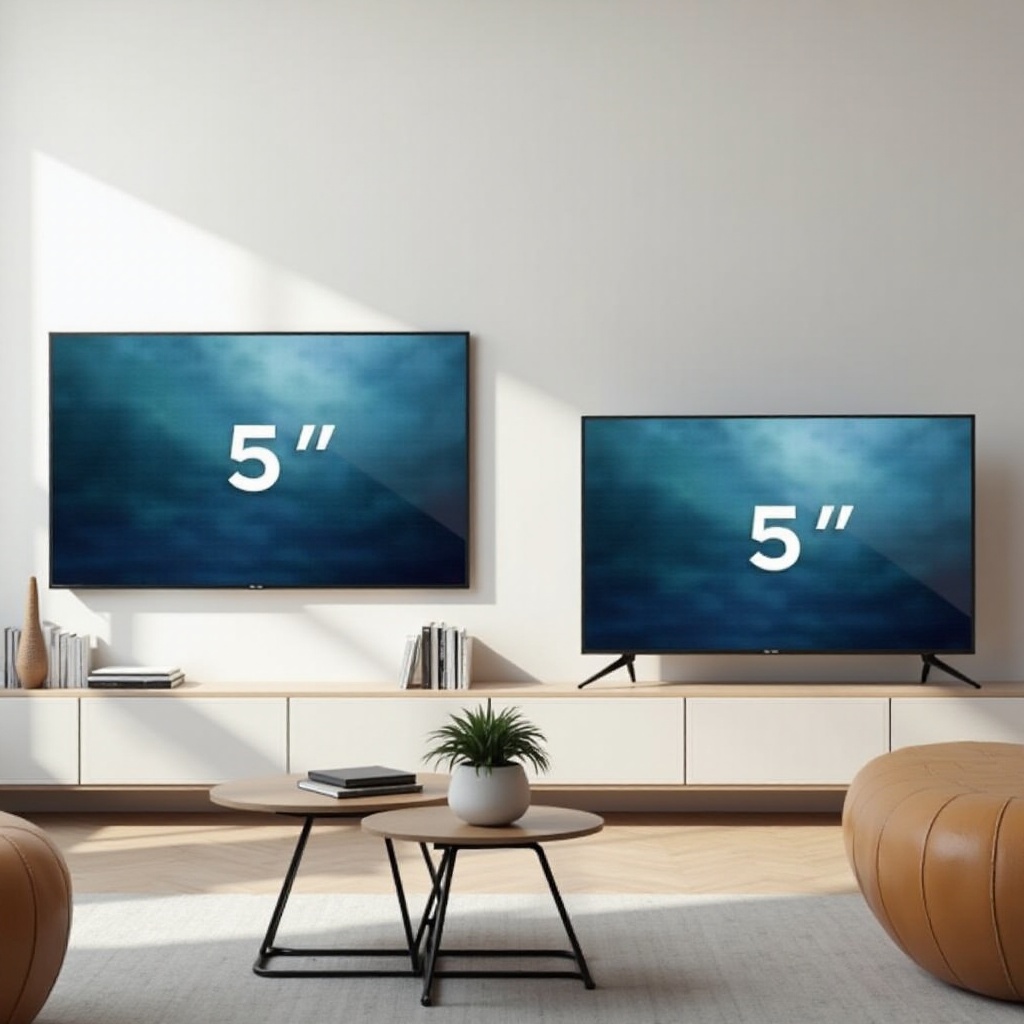
Picking the right TV size is essential for an enjoyable viewing experience. The choice between a 32-inch and a 43-inch TV involves weighing room dimensions, personal preferences, and how the TV will be used. This guide will help you navigate these considerations, ensuring your new TV fits seamlessly into your lifestyle.
Understanding Size Differences
Understanding TV dimensions is critical in making an informed choice. Let’s explore the impact of these sizes on your viewing experience.
Dimensions and Viewing Distance
TV size is measured diagonally from corner to corner. Generally, a 32-inch TV measures around 27.9 inches wide and 15.7 inches high. On the other hand, a 43-inch TV expands to roughly 37.5 inches in width and 21.1 inches in height. This change in size affects the optimal viewing distance.
For a 32-inch TV, the recommended viewing range is between 4 and 6 feet, ideal for more compact spaces. In contrast, a 43-inch TV offers a better experience from 5 to 9 feet away, making it suitable for larger rooms or living areas.
Room Size Considerations
Room dimensions significantly impact which TV size is best. A 32-inch TV is perfect for small bedrooms or kitchens, where space is at a premium. Conversely, a 43-inch model fills larger living rooms or open-plan areas, providing a more immersive screen experience due to its larger size.
Pros and Cons of a 32-Inch TV
Understanding the advantages and limitations of a 32-inch TV can help determine if it meets your needs.
Benefits in Smaller Spaces
- Affordability: 32-inch TVs are typically budget-friendly, offering a reasonable purchase without financial strain.
- Space Efficiency: Their compact size allows them to fit neatly in smaller rooms, making them ideal for guest rooms, kitchens, or offices.
- Ease of Installation: Lighter and easier to maneuver, they offer straightforward setup and installation.
Potential Drawbacks
- Limited Features: Many 32-inch models do not include high-end features like 4K resolution or smart capabilities.
- Reduced Immersion: Smaller screens might not provide the full cinematic experience when viewed from a distance.
Advantages and Disadvantages of a 43-Inch TV
Considering the benefits and drawbacks of a 43-inch TV can guide your choice.
Enhanced Viewing Experience
- Larger Display: A 43-inch TV offers an expansive viewing experience, perfect for movies and games.
- Better Features: These models often come equipped with advanced features, such as 4K resolution and smart capabilities.
Challenges for Small Rooms
- Space Requirements: Larger size demands more space, potentially due to space limitations in small rooms.
- Higher Cost: They generally have a higher price point, although these have moderated over time.
Comparing Features and Technology
Features and technology significantly impact your decision, affecting both performance and user experience.
Resolution and Picture Quality
While both 32-inch and 43-inch TVs come in various resolutions, 43-inch models frequently offer 4K options, delivering crisper, more vibrant images. In contrast, many 32-inch TVs are limited to HD or Full HD, which may suffice for general viewing but lack 4K’s depth.
Smart TV Features
Today, consumers expect smart features like internet connectivity and streaming services. Typically, 43-inch models boast more advanced smart features versus 32-inch options, which may offer limited smart capabilities.
Budget Considerations: Cost vs. Value
Evaluating the financial aspects and long-term value can guide you toward a smart purchase decision.
Initial Purchase Price
A 32-inch TV is more affordable, fitting those with budget constraints. However, the cheaper price might mean sacrificing features and performance.
Long-term Investment
A 43-inch TV can be a more valuable long-term investment. While initially more costly, the improved resolution, added features, and future-compatibility can justify the expense, especially if you’re into high-quality content or gaming.
Design and Aesthetics in Your Home
The TV should seamlessly fit into your home’s decor and design, affecting the overall aesthetic.
Integration with Existing Decor
Consider how the TV will blend with your room’s style. A 32-inch TV fits effortlessly into spaces with minimal design changes, while a 43-inch TV might require reevaluating your living room setup to avoid dominating the space.
Space Management Tips
Careful planning of your TV’s placement can enhance your viewing experience. Ensure the TV doesn’t overwhelm the space but remains visible and accessible. Mounting the TV on the wall or situating it on a stand can save floor space and complement room aesthetics.
Conclusion
Deciding between a 32-inch and a 43-inch TV involves considering room size, personal viewing habits, and budget. Align your choice with these factors, and you will enjoy an enhanced viewing experience that fits your lifestyle perfectly. Whether prioritizing size, features, or cost, an informed decision is key to maximizing your home entertainment setup.
Frequently Asked Questions
Which TV size is better for gaming?
For gaming, a 43-inch TV is usually better due to its larger screen and potential for higher resolution, offering more vivid and immersive gameplay experiences.
Are there significant price differences between 32-inch and 43-inch TVs?
Generally, 43-inch TVs are more expensive than 32-inch models, though prices vary based on brand, features, and technology.
What is the ideal viewing distance for both sizes?
For a 32-inch TV, the ideal viewing distance is 4-6 feet, whereas a 43-inch TV suits a distance of 5-9 feet, ensuring optimal comfort and viewing quality.